|
Anarcho-Syndicalist Workers’ Revolution in Catalonia
Raymond S. Solomon
1 December 2019
In an interview with world famous Dutch-Canadian journalist Pierre Van Paassen, Anarcho-Syndicalist leader and Spanish Loyalist general Buenaventura Durruti said:
“We are giving Hitler and Mussolini far more worry with our revolution than the whole Red Army of Russia. We
are setting an example to the German and Italian working class on how to deal
with Fascism.” 1
Durruti may have been overly optimistic
about the abilities of the Spanish Anarchist militias (which were more than
excellent) vis-a-ve the Soviet Russian Red Army. After all, the Red Army of
Soviet Russia performed very well during the Second World War—what Russians
call The Great Patriotic War. But the
Spanish Loyalists did have many surprising successes.
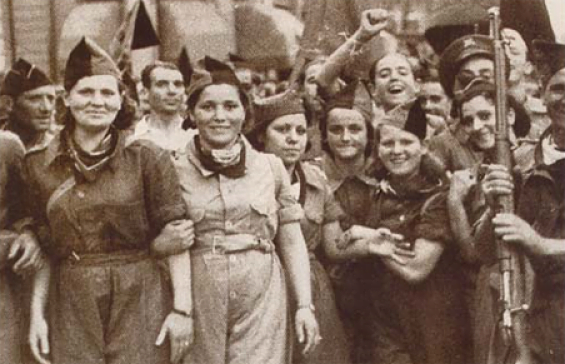
As told by Spanish survivors of Spain’s Civil War, (1936 to 1939) the beginning of the Spanish Revolution was July 19th, 1936.2 Juan García Oliver, Spanish Anarchist leader and Minister of Justice in the popular front government, at an early stage of the Spanish Civil War, made the remarkable point that this was the first time the people defeated the army.3 (Also, see footnote 2.)
But the roots of the revolution go back to at least the year 1868, with the beginning of the Anarchist movement in Spain. The ability of the Anarchists to quickly and spontaneously resist the Fascist military rebellion in late July of 1936, together with the ability to take over industry and form effective agricultural communes, goes back three generations. To paraphrase John Adams, the revolution was in the hearts and behavior of the Anarchists, Syndicalists, and Anarcho-syndicalists. The best history of this is The Spanish Anarchists by Murray Bookchin.4
The
Anarchists were by no means the only ones involved with the Spanish Revolution,
or for that matter, Loyalist Spain itself. Other significant groups included,
but were not limited to:
Footnotes: 1 .Interview with Buenaventura Durruti by Pierre Van Paassen from the Toronto Daily Star. 1936. 2. Gamera, Juan Director) (1997) Living Utopia: The Anarchists & The Spanish Revolution (Film documentary) TVE Catalonya. Also, in 1938 Felix Morrow wrote, “The Barcelona proletariat prevented the capitulation of the republic to the fascists. On July 19, almost barehanded, they stormed the first barracks successfully. By 2 p.m. the next day they were masters of Barcelona. “It was not accidental that the honour of initiating the armed struggle against fascism belongs to the Barcelona proletariat. Chief seaport and industrial centre of Spain, concentrating in it and the surrounding industrial towns of Catalonia nearly half the industrial proletariat of Spain, Barcelona has always been the revolutionary vanguard. The parliamentary reformism of the socialist-led UGT had never found a foothold there. The united socialist and Stalinist parties (the PSUC) had fewer members on July 19 than the POUM. The workers were almost wholly organized in the CNT, whose suffering and persecution under both the monarchy and republic had imbued its masses with a militant anti-capitalist tradition, although its anarchist philosophy gave it no systematic direction. But, before this philosophy was to reveal its tragic inadequacy, the CNT reached historic heights in its successful struggle against the forces of General Goded.” Revolution and Counter Revolution in Spain, by Felix Morrow.(1938) See. Felix Morrow internet archives. 3. Living Utopia, Ibid. Also, see footnote 2. 4. The Spanish Anarchist: The Heroic Years—1968—1936, by Murray Bookchin. Free Life Editions, New York, 1977 5. Living Utopia. Op Cite. Also see, Raymond Solomon, “Beyond Spanish Bases” in correspondence column of Christian Science Monitor, February 25th, 1963. 6. Davison, Peter (ed.) George Orwell Diaries. Liveright Publishing Corporation. 2012. Page 94. 7. Ibid. 8. All quotes from George Orwell are from Homage to Catalonia, Harcourt Brace, 1952 unless otherwise indicated. 9. Since reference to the Anarchist publication Spanish Revolution is embodied in the text, I have not footnoted it. 10. “British Author with the Militia” in The Spanish Revolution, February 3, 1937. Cited in, Orwell: The Authorized Biography, by Michael Shelden. New York HapersCollinsPublishers. 1991. Pages 252 to 253 and page 471,foot- note 16. 11. In his essay “Looking Back on the Spanish War.” This has been republished in various collections of his essays. 12. Rebel Voices: An IWW Anthology by Joyce L. Kornbluh, Daniel Gross, Fred Thompson and Franklin. Charles W. Kerr Publishing, Page 378. See also, “In November We Remember IWW Members Who Fought In The Spanish Civil War” by Matt White, in Industrial Worker, November 2013. Page 9. One of the fellow workers memorialized by White was a German Wobbly who was in a concentration camp, escaped to Denmark and later fought in The Durruti Belgrade. Compare the play Watch on the Rheine by Lillian Hellman. Some German and Italian refugees fought for Loyalist Spain. 13. The poem is titled “The Spanish Soldier Shook My Hand.” appears at the end of his essay “Looking Black on the Spanish War.” 14. Living Utopia. Op. Cit. 15. New York Times. November 22, 1936. 16. Living Utopia. Op. Cit. Photo Credit: Wiki Commons
- Spanish Socialists trade Union (UGT)
- Basque Catholics. Catholic Priests in the Basque, organized trade unions.
- Liberal Republicans.
- Calvinists from the new Calvinist revival that started in Republican Spain in 1931. Pierre Van Paassen has written about this in Days of Our Years. (The library of The War Resisters League has a copy of Van Paassen’s book.)
- Catalan Nationalists
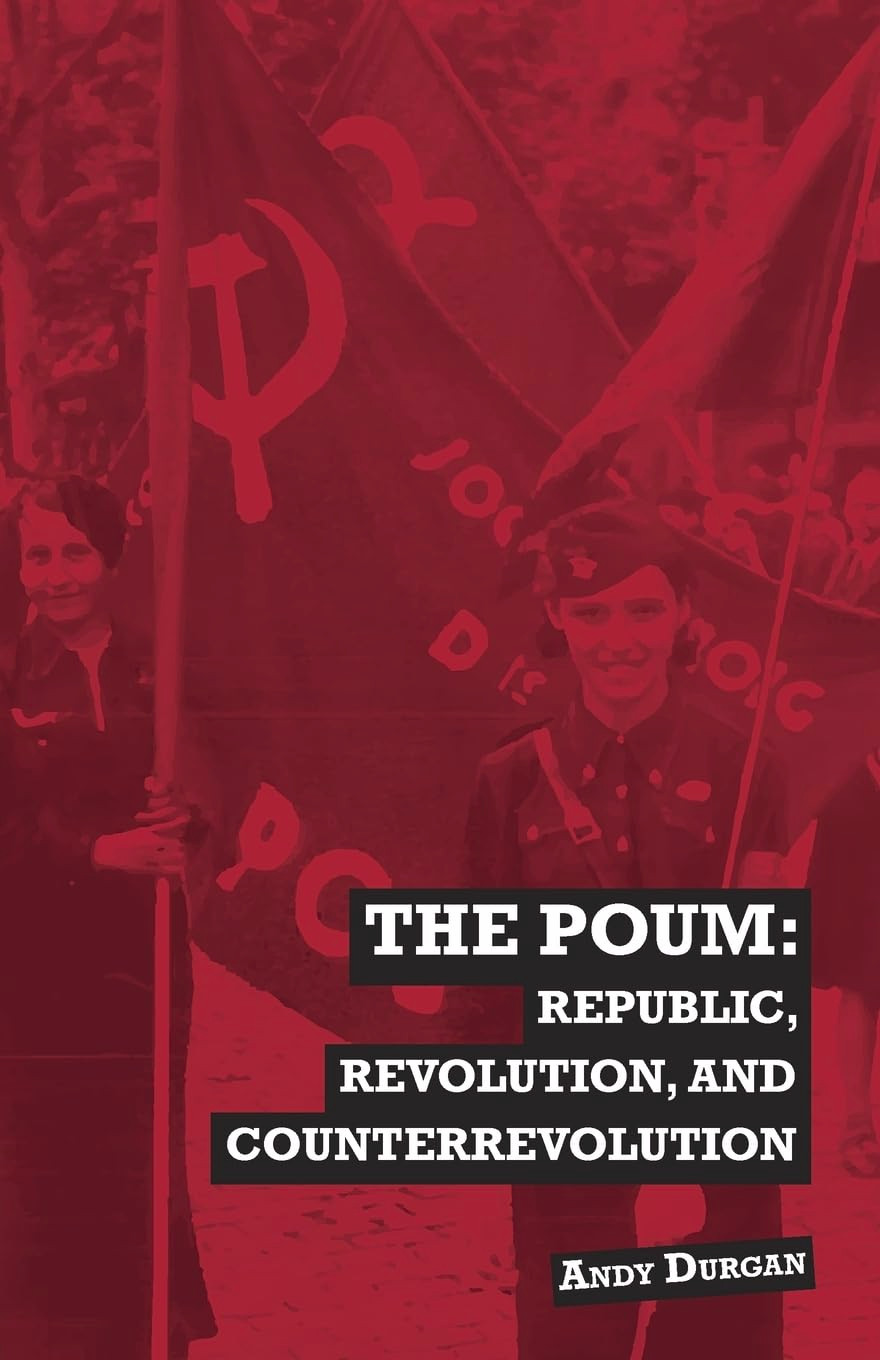
- The POUM (“Workers Party of Marxist Unification” aka “Marxist Unity Organization”).
- Other non-Stalinists Marxists.
- A small number of actual Trotskyites.
- An originally relatively small number of Communists, whose influence greatly grew due to the fact that the major Western Nations embargoed the arms from going to Loyalist Spain.5.
- Basque Nationalists.
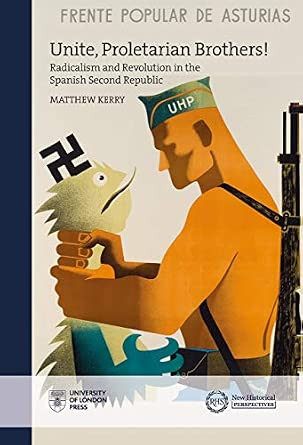
- United Proletarian Brotherhood made of mostly of coal minors from the Asturias area. “UHP…Unions Hermanos Proletarious.” 6
- United Youth Movement—UHO 7
- The POUM (“Marxist Unity Org,”) was considered a small party. They, at that time had more people in its Militia in Catalonia, than the U.G.T., which is considered a big party. This tends confirm that the P.O.U.M. played a very significant role in the Spanish Revolution and Spanish Civil War.
- Anarchists and police were fighting on the same side. As they say, politics makes strange bed-fellows.
- The Anarchist, that is the CNT and FAI militia members, outnumbers, all the other militia groups together—at least in Barcelona, at that time—13,000, as opposed to 9,000.
- The most revolutionary groups, the CNT, the FAI, and the Marxist Unity Organization (POUM), had, at that point almost three times the number of men in the militia (16,000) as did the others (6,000.)
- As the article indicates, these numbers changed as the war went on.
Footnotes: 1 .Interview with Buenaventura Durruti by Pierre Van Paassen from the Toronto Daily Star. 1936. 2. Gamera, Juan Director) (1997) Living Utopia: The Anarchists & The Spanish Revolution (Film documentary) TVE Catalonya. Also, in 1938 Felix Morrow wrote, “The Barcelona proletariat prevented the capitulation of the republic to the fascists. On July 19, almost barehanded, they stormed the first barracks successfully. By 2 p.m. the next day they were masters of Barcelona. “It was not accidental that the honour of initiating the armed struggle against fascism belongs to the Barcelona proletariat. Chief seaport and industrial centre of Spain, concentrating in it and the surrounding industrial towns of Catalonia nearly half the industrial proletariat of Spain, Barcelona has always been the revolutionary vanguard. The parliamentary reformism of the socialist-led UGT had never found a foothold there. The united socialist and Stalinist parties (the PSUC) had fewer members on July 19 than the POUM. The workers were almost wholly organized in the CNT, whose suffering and persecution under both the monarchy and republic had imbued its masses with a militant anti-capitalist tradition, although its anarchist philosophy gave it no systematic direction. But, before this philosophy was to reveal its tragic inadequacy, the CNT reached historic heights in its successful struggle against the forces of General Goded.” Revolution and Counter Revolution in Spain, by Felix Morrow.(1938) See. Felix Morrow internet archives. 3. Living Utopia, Ibid. Also, see footnote 2. 4. The Spanish Anarchist: The Heroic Years—1968—1936, by Murray Bookchin. Free Life Editions, New York, 1977 5. Living Utopia. Op Cite. Also see, Raymond Solomon, “Beyond Spanish Bases” in correspondence column of Christian Science Monitor, February 25th, 1963. 6. Davison, Peter (ed.) George Orwell Diaries. Liveright Publishing Corporation. 2012. Page 94. 7. Ibid. 8. All quotes from George Orwell are from Homage to Catalonia, Harcourt Brace, 1952 unless otherwise indicated. 9. Since reference to the Anarchist publication Spanish Revolution is embodied in the text, I have not footnoted it. 10. “British Author with the Militia” in The Spanish Revolution, February 3, 1937. Cited in, Orwell: The Authorized Biography, by Michael Shelden. New York HapersCollinsPublishers. 1991. Pages 252 to 253 and page 471,foot- note 16. 11. In his essay “Looking Back on the Spanish War.” This has been republished in various collections of his essays. 12. Rebel Voices: An IWW Anthology by Joyce L. Kornbluh, Daniel Gross, Fred Thompson and Franklin. Charles W. Kerr Publishing, Page 378. See also, “In November We Remember IWW Members Who Fought In The Spanish Civil War” by Matt White, in Industrial Worker, November 2013. Page 9. One of the fellow workers memorialized by White was a German Wobbly who was in a concentration camp, escaped to Denmark and later fought in The Durruti Belgrade. Compare the play Watch on the Rheine by Lillian Hellman. Some German and Italian refugees fought for Loyalist Spain. 13. The poem is titled “The Spanish Soldier Shook My Hand.” appears at the end of his essay “Looking Black on the Spanish War.” 14. Living Utopia. Op. Cit. 15. New York Times. November 22, 1936. 16. Living Utopia. Op. Cit. Photo Credit: Wiki Commons
Spanish civil war

Freedom
Bookshop
Spain

Tino Brugos (1958–2025)
The internationalist militant and educator was also a pioneer of LGBT+ organising
Freedom News
New In





Freedom Press

Subscribe to Freedom anarchist journal, sustain radical publishing and support independent media.
SUBSCRIBE
AND DONATE
Latest
Greek prisoners release: Selective American condemnation is telling
Two long-term prisoners were released in Greece this week: a prominent neo-nazi leader, and an anarchist. Only one of the two was singled out by the US ambassador.
Neil Middleton
|
19 September 2026
“To make the Earth a Common Treasury”
Marking 350 years since the death of the English revolutionary Digger Gerrard Winstanley (1609-1676)
Robert Graham
Browse over a century of anarchist commentary and reporting from the Freedom digital archive
EXPLORE THE
Archives