
|

On the necessity of activist legal support in the wake of police repression
A.
24 March 2021
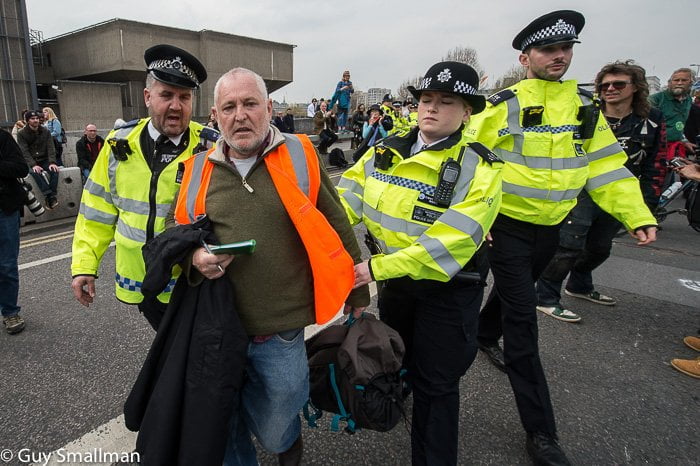
Like the Black Lives Matter protests of last year, the wave of protests against the Policing Crimes and Sentencing Bill have been met by police repression. But, again like last year, they have also been met by dedicated legal support activsts providing basic, vital solidarity in the form of legal guidance and police station support. As a new wave of protest begins to grow, we must support those who are doing the supporting.
Whatever happens with the, now delayed, police crackdown bill, the police will continue to take a hostile stance to those who protest. National Police Chief Council guidance, issued to all public order commanders, already takes a worryingly expansive definition of who is worthy of surveillance and conditions. ‘Aggravated activism’, a term that has now replaced the discredited ‘domestic extremism’, is described as:
activity that seeks to bring about political or social change but does so in a way that involves unlawful behaviour or criminality, has a negative impact upon community tensions, or causes an adverse economic impact to businesses.
As Netpol has pointed out, such a definition includes anyone who risks arrest by engaging in protest, direct action, civil disobedience or even consumer boycotts, ie. most people who engage in protest.
We have seen worrying signs that the police are becoming increasingly hostile to legal support itself. In protests in London last week legal observers with Black Protest Legal Support were targeted and arrested. In the wake of the police attack on the vigil for Sarah Everard the Met’s Deputy Chief Stephen House objected to groups providing legal guidance for attendees, describing social media shared beforehand as ‘[a] typical preparatory tweet before a demonstration, but not before a vigil’.
The idea that disseminating legal information justified a police attack on an event mourning the murder of a woman allegedly killed by a serving police officer is, of course, deeply horrifying. Ensuring that members of the public can keep themselves safe from police violence will continue to be necessary as this government seeks to clampdown on public gatherings of all kinds, and to redefine all protest out of existence. Likewise, we must insist on the necessity of legal observers to do their work free from police harassment.
In my time going on demonstrations I have been arrested four times. All occasions were anxiety inducing, some left long lasting trauma. There was a marked difference between the arrests in which I was met outside a police station by arrestee supporters and the arrests in which I was left to make my way home on my own. For me, arrestee supporters went out of their way to make sure I got home safely. But it was their very presence, the fact that they were there at all, that broke through the hours of miserable isolation in a police cell. I felt cared for because they were there.
Legal support in all its forms is part of a fundamental solidarity we can show those who experience police violence. In the coming years we will need to support those doing this vital work, but also incorporate it into our ongoing political practice. It does not need to be particularly difficult. On the next demonstration you attend you could make sure all you’re friends know GBC’s 5 key messages. You could ring the legal support phoneline to report an arrest you have witnessed. You can avoid disseminating photos or videos of protester’s faces. Ultimately legal support efforts are at their most effective when we recognise that solidarity and care are the responsibility of us all.
A
Police repression









Freedom
Bookshop
Legal support

Want to annoy the cops? Then bung a few quid at Netpol
The Network for Police Monitoring (Netpol) turned 10 this week and, instead of presents, they’re asking for cash. Carl Spender…
Carl Spender
New In











Freedom Press







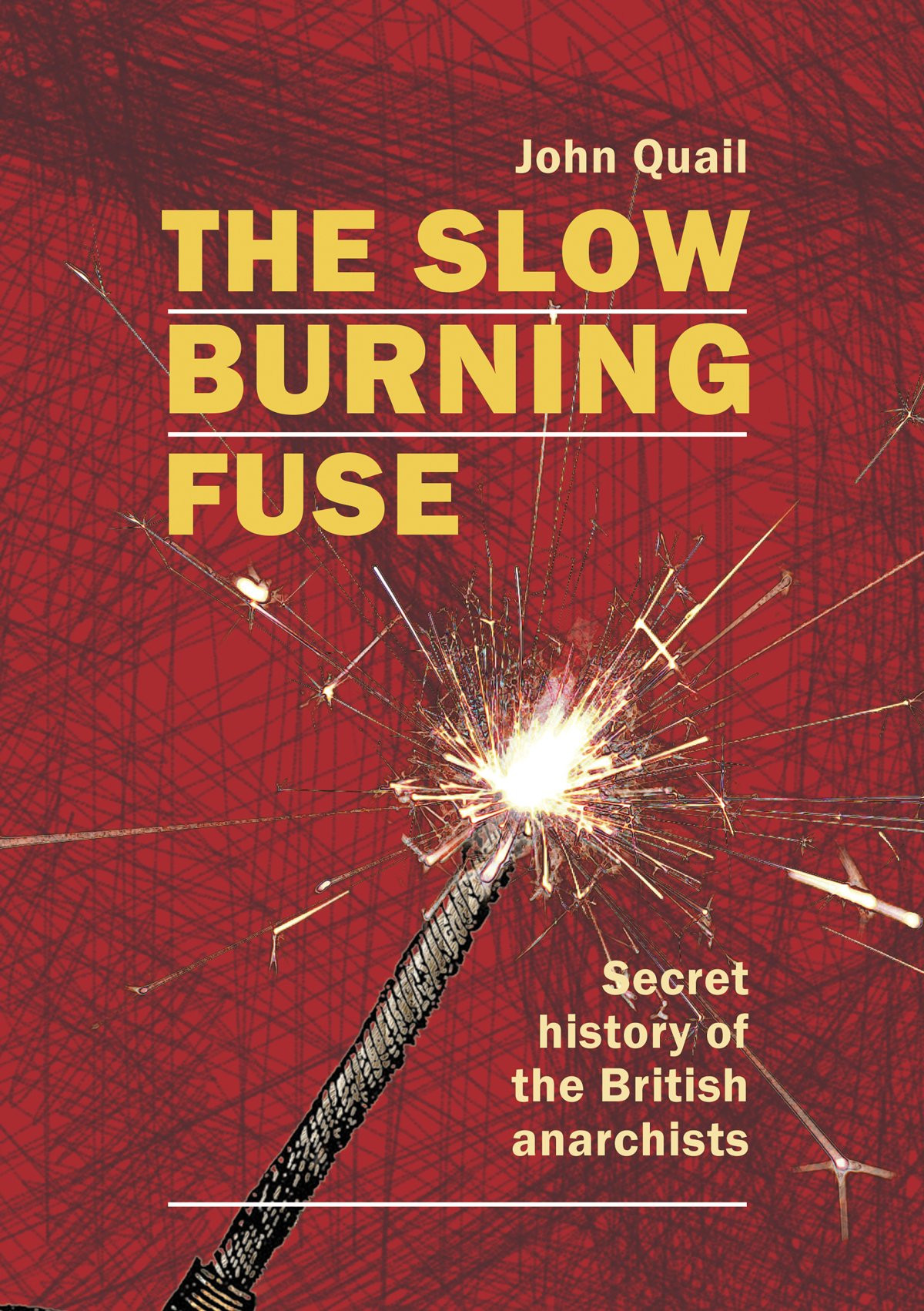


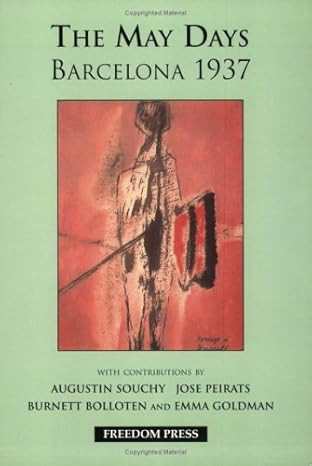


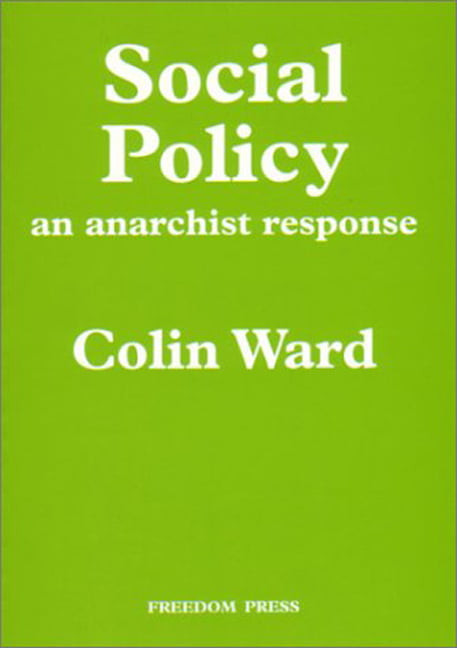
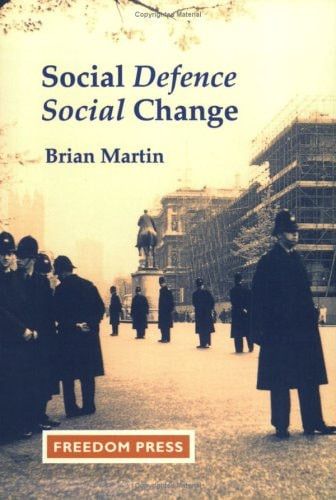







Subscribe to Freedom anarchist journal, sustain radical publishing and support independent media.
SUBSCRIBE
AND DONATE
Latest
Andy Burnham’s antidote fallacy
For all his talk of devolution, the PM’s reforms are likely to embed the state ever more intrusively in our lives
Jon Bigger
|
16 September 2026
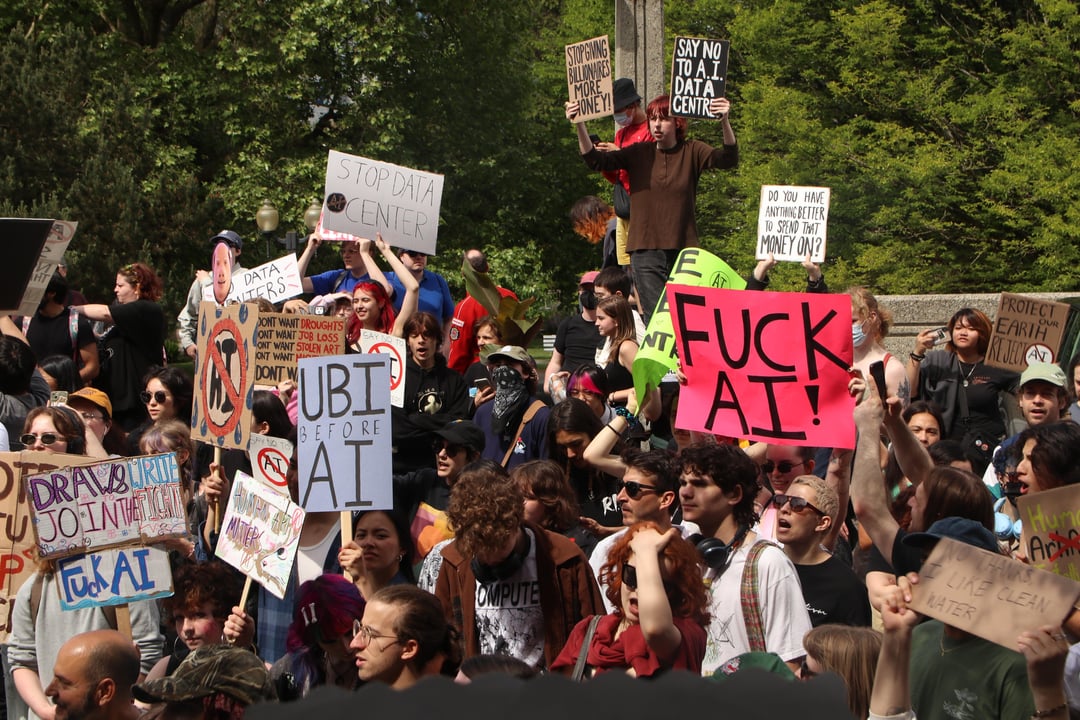
Climate activists confront data centres
The surge of AI‑powered data centres is straining the electric grid, draining water supplies, and forcing a new wave of climate‑justice activism
Joel Sucher
Browse over a century of anarchist commentary and reporting from the Freedom digital archive
EXPLORE THE
Archives