
|
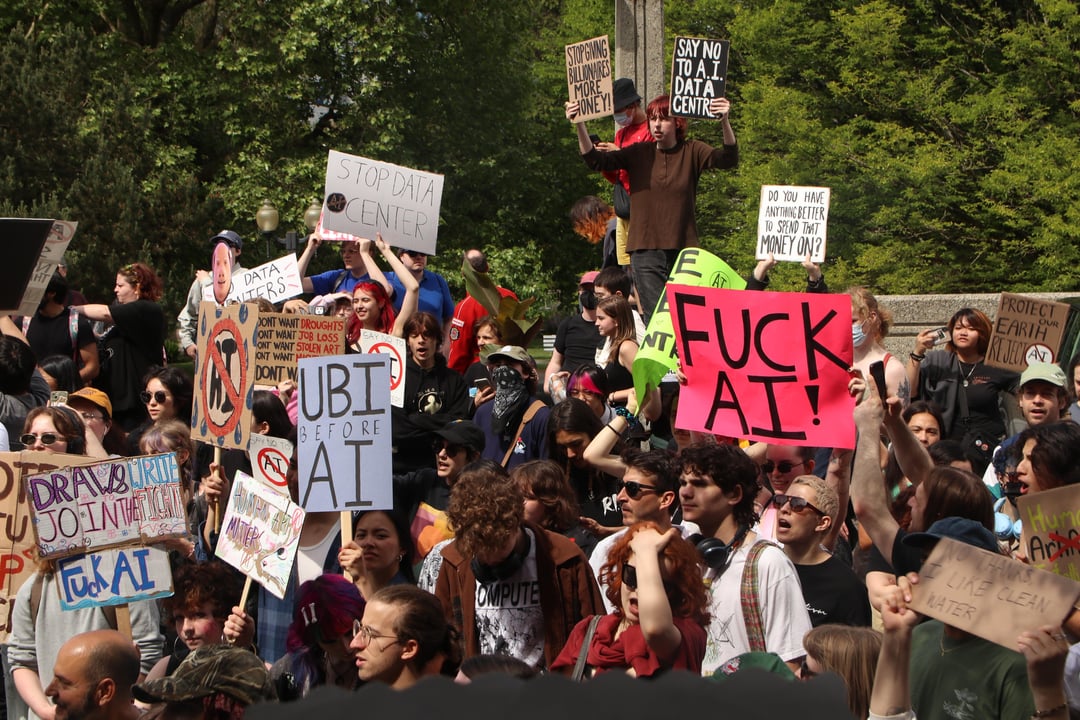
Climate activists confront data centres
The surge of AI‑powered data centres is straining the electric grid, draining water supplies, and forcing a new wave of climate‑justice activism
Joel Sucher
8 September 2026
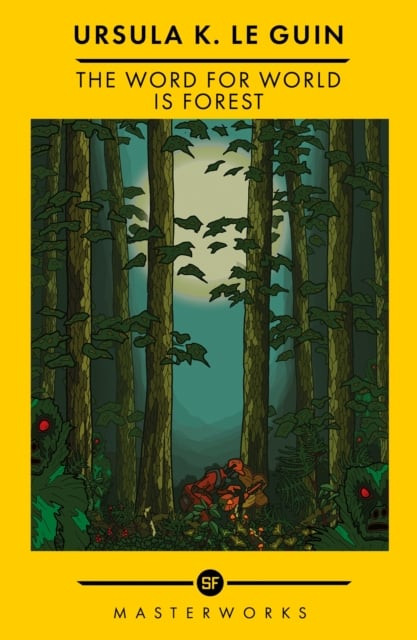
Growing up in 1950’s Brooklyn I remember watching that great 1956 sci-fi, flic, Forbidden Planet. It told the tale of a vanished civilization known as the Krell that had constructed a machine to erase the distance between thought and reality; twenty miles of thermonuclear generators powerful enough to make anything a mind could imagine simply appear. There were no guard rails. The power source was inexhaustible. The machine delivered what they Krell has asked for.
Then it destroyed them.
The parable suits the AI data centre boom, with one crucial difference: the real version has a limit the Krell never faced. The grid buckles, water tables drop, rate hikes hit residential bills — and a fast-growing coalition of activists is making sure someone is listening.
For years, the climate movement’s targets were familiar: pipelines, coal plants, gas terminals. Now a newer, less visible adversary has moved to the top of the list — the hyperscale data centre, the windowless warehouse of servers that makes generative AI possible.
The numbers explain the alarm. A typical AI data centre draws as much power as 100,000 households; the largest can use twenty times that. Lawrence Berkeley National Laboratory projects data centres could drive roughly a third of U.S. electricity demand growth through 2030, met largely with fossil fuel plants: coal burning longer in Nebraska for Google and Meta, a shuttered nuclear plant reopened in Pennsylvania for Microsoft, a proposed 4.4-gigawatt gas plant outside Pittsburgh for a single campus.
The Sierra Club has formally challenged the environmental review for a proposed hyperscale campus in Port Washington, Wisconsin, arguing the 3.5-gigawatt facility would strain water supplies and worsen air quality, and has published a community organising toolkit, “Big Tech Unchecked,” for residents contesting similar proposals elsewhere.
Utah offers the starkest example of how the issue scrambles party lines. Kevin O’Leary’s (“Mr. Wonderful”) proposed Stratos Project near the Great Salt Lake — originally 40,000 acres and up to 9 gigawatts, more than double the state’s peak demand — drew bipartisan fury after being fast-tracked through a state military-development authority that bypassed normal zoning. A Deseret News-Hinckley Institute poll found a majority of Utah voters opposed the project, with Republican opposition climbing from 36 to 49 percent in a month. Senate President Stuart Adams, who’d championed the fast-tracked approvals, lost his Republican primary in June, as did two county commissioners who’d voted for the project. O’Leary has since cut the footprint roughly in half and conceded his team “really screwed this up.”
New York offers the clearest case study in what sustained coalition pressure can accomplish — and its limits. NY Renews, the statewide coalition of more than 250 labour, environmental, and community groups that won passage of the 2019 Climate Leadership and Community Protection Act, has spent two years building a parallel campaign against unregulated data centre growth, supporting fights like the Tonawanda Seneca Nation’s opposition to a facility proposed at STAMP, on the border of their reservation. In June, the legislature passed the Responsible Data Center Development Act, a three-year moratorium on permits for facilities of 20 megawatts or more, with cost-allocation rules, labour standards, and community-benefit requirements. Rather than sign it, Governor Kathy Hochul issued her own executive order in July: a one-year pause, but only for facilities of 50 megawatts or more.
NY Renews Executive Director Stephan Edel credited the order to communities across Western New York and the North Country organising against what he called the “many-headed hydra of tech billionaire greed.” But the gap between the two measures is the story’s next chapter: the legislature’s bill covered facilities half the size of Hochul’s threshold, and critics, including NYPIRG, warn the higher bar leaves a lane open for 20-to-49-megawatt projects that dodge the pause individually but add up to the same strain. Hochul has not committed to signing the broader bill.
That local grind is proving effective. Data Center Watch estimates community opposition delayed or canceled $156 billion in data centre projects nationally in 2025, with another $130 billion blocked in the first quarter of 2026. A recent Gallup poll found roughly seven in ten Americans oppose a new AI data centre in their own neighbourhood.
The pattern is going global, and Britain offers the sharpest mirror. In Scotland, protesters have rallied outside Holyrood, and in London the “March Against the Machines” drew activists to OpenAI’s offices. British regulators note 140 data centres have already asked to connect to the grid, seeking a combined 50 gigawatts — more than the country’s entire peak demand. Energy Secretary Ed Miliband has called the climate impact “inherently uncertain,” a hedge campaigners call an evasion.
New York’s unfinished fight, Wisconsin’s legal challenge, Utah’s primary-toppling backlash, and Westminster’s uneasy hedging are all the same argument playing out in different rooms: whether the AI boom gets built on the same fossil-fueled shortcuts the climate movement spent two decades trying to close off, or whether organised pressure can bend it toward something else. The Krell never got a chance to find out what happens when the machine hits a wall it can’t build past. This time, there’s a wall — the question is how high.
Activism






Take Back The Fight: Organizing Feminism for the Digital Age
Organizing Feminism for the Digital Age
£18.95


Freedom
Bookshop
Activism

Meeting the people where they are
Confessions of a Communard: Our strategy for 2027 has been about visible grassroots initiatives which announce our presence
Warren Draper
New In











Freedom Press
























Subscribe to Freedom anarchist journal, sustain radical publishing and support independent media.
SUBSCRIBE
AND DONATE
Latest
“To make the Earth a Common Treasury”
Marking 350 years since the death of the English revolutionary Digger Gerrard Winstanley (1609-1676)
Robert Graham
|
10 September 2026

Slaughter and wreckage
Notes from the US: As Trump’s popularity plummets, a push to emphasise disinformation heralds MAGA’s attempt to subvert the midterm elections
Louis Further
Browse over a century of anarchist commentary and reporting from the Freedom digital archive
EXPLORE THE
Archives