|
What’s in a name?
Confessions of a communard: After a Chinese airline kept misspelling my forename during a trip to Australia, I learnt more about naming in different cultures—and decided to make the change permanent
Wren @lbion
5 August 2026
Anarchists have often changed their names. Some have done so fluidly throughout their lives for security reasons. Others, like the author B. Traven, have created pseudonyms which give them a level of anonymity. And others have chosen to adopt a new name which they feel suits the person they have become. Some, like myself, have done all three.
Anyone who has changed their name by deed poll will know that mononyms are not allowed. Official systems are strictly designed for forename/surname combinations. The rise of the surname is inherently linked to the rise of the state. Perhaps the most concise and entertaining history of state-sanctioned naming occurs in the second chapter of Seeing Like a State by the late great James C. Scott. Here Scott describes how, in roughly the 4th Century BC, the Qin Dynasty began to impose patronyms (surnames derived from the male line) on much of the population for the purposes of taxes, forced labour and conscription. The process has been repeated throughout history whenever the centralised state has sought to deepen its hold over the people.
In China surnames were actually matrilineal until the Shang Dynasty (1600 – 1046 BC) when they became patrilineal. Although the patronymic form of naming extended back at least until the ancient Greeks, in European countries the patronym did not become the standard until the fourteenth century. A given name was often adequate for identification, but if an additional name was required it was usually tied to a profession (Smith or Baker), a place (taking the name of the town where they lived or a landmark), or a personal attribute (like Large or Short). These secondary names would not necessarily carry down family lines (the son of a Baker could easily become a Smith if they did not take on their father’s trade). This slowly changed as the state sought tighter control of its population. As Scott explains, we can see the mechanisms which the European states used against their own people enacted more briefly, more thoroughly and more ruthlessly on the people of other lands throughout the colonial era, with the ultimate goal of completing a legible list of subjects and taxpayers.
Imposing the idea of ‘unauthorised migration’ onto a people you have invaded perfectly sums up the insanity of colonial bureaucracies. From surnames to digital IDs, the ever-paranoid nation-state will never satiate its craving to control a population that it neither trusts nor likes. Our lives are too complicated, too beautiful and, despite the best efforts of the nation-state, too free to fit into the boxes they build for us. Scott cites an essay by William E. Wormsley which describes how the Imbonggu people from the mountainous interior of Papua New Guinea have names which change throughout their lives, reflecting contextual changes in their personal life-story, status, and even the wider history of the village where they live. This fluidity of naming was once not uncommon.
Me? I found myself re-christened ‘Wren’ by China Southern Airlines.
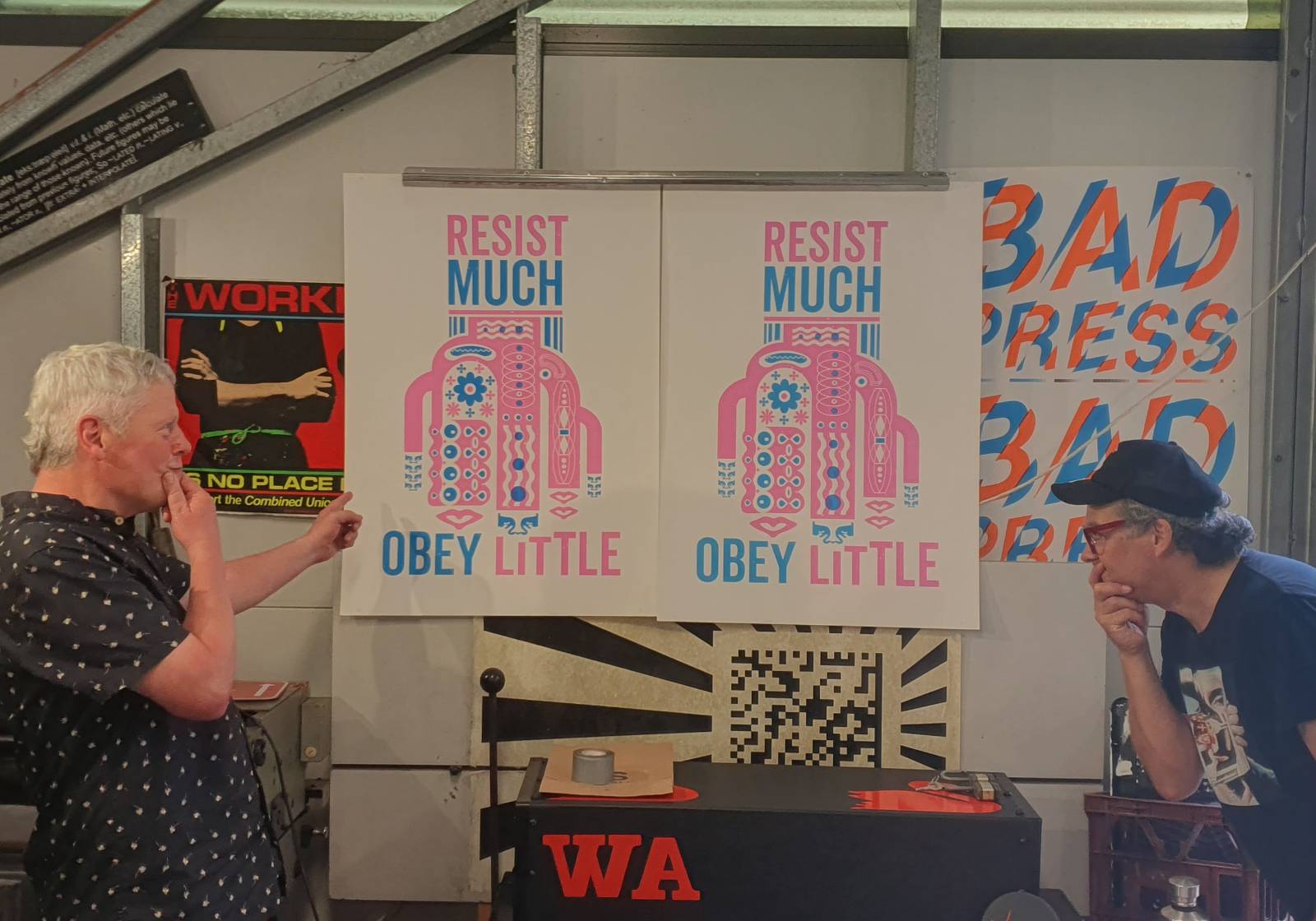
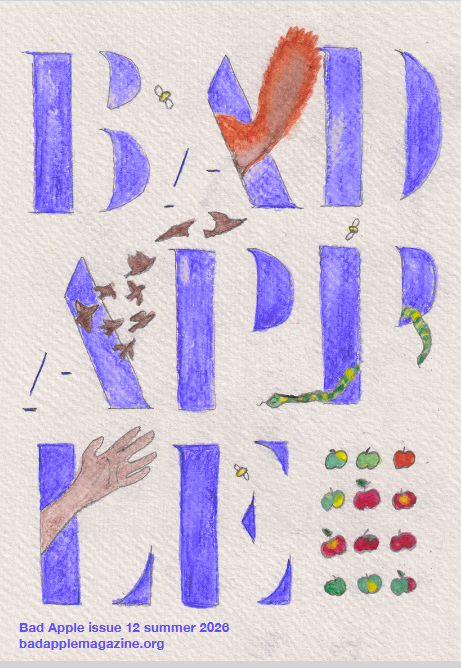
The airline kept misspelling my old name during a trip to Australia earlier this year. My hosts began to call me Wren as a matter of course, and at the surfer’s paradise of Sandon Point I found myself surrounded by a family of well-named Splendid Fairy Wrens. I was invited to print posters at Bad Press in Sydney and when people asked me to sign the posters I found myself naturally signing them ‘Wren’. My good friend, the artist Yu-Chen Wang, said it was like Warren with the ‘war’ taken out, which seemed apt after some recent hardships, so when I got back to the UK I decided to make the name change permanent. That’s when I found out that the state does not like mononyms (I also found out that its a crazy long process, which makes me feel deeply for people in transition).
So I put together a small number of names to entertain the bureaucrats and pay homage to my ancestors on both sides (you will only ever know my new full name if you are a very close friend or work for a bureaucratic institution) and chose the surname ‘Albion’ in honour of the Albion Fairs I had attended as a child and in reference to Zakia Sewell’s Finding Albion (Hodder Press, 2026), where she describes Albion as the “alternative spirit of Britain; a genius loci, or ‘spirit of place’, which is both subversive and strange, shrouded in magic and mystery, and which leaves traces in the land, and in our culture, if only we know where to look.” As an anarchist, I may not have much time for the childish fairy-tales and mind-forged manacles of the nation-state, but as an urban farmer I have a deep love for the land which nurtures and provides… and besides, naming oneself after a place is far better than sticking to a patronym.
Anthropology





Freedom
Bookshop
Anthropology
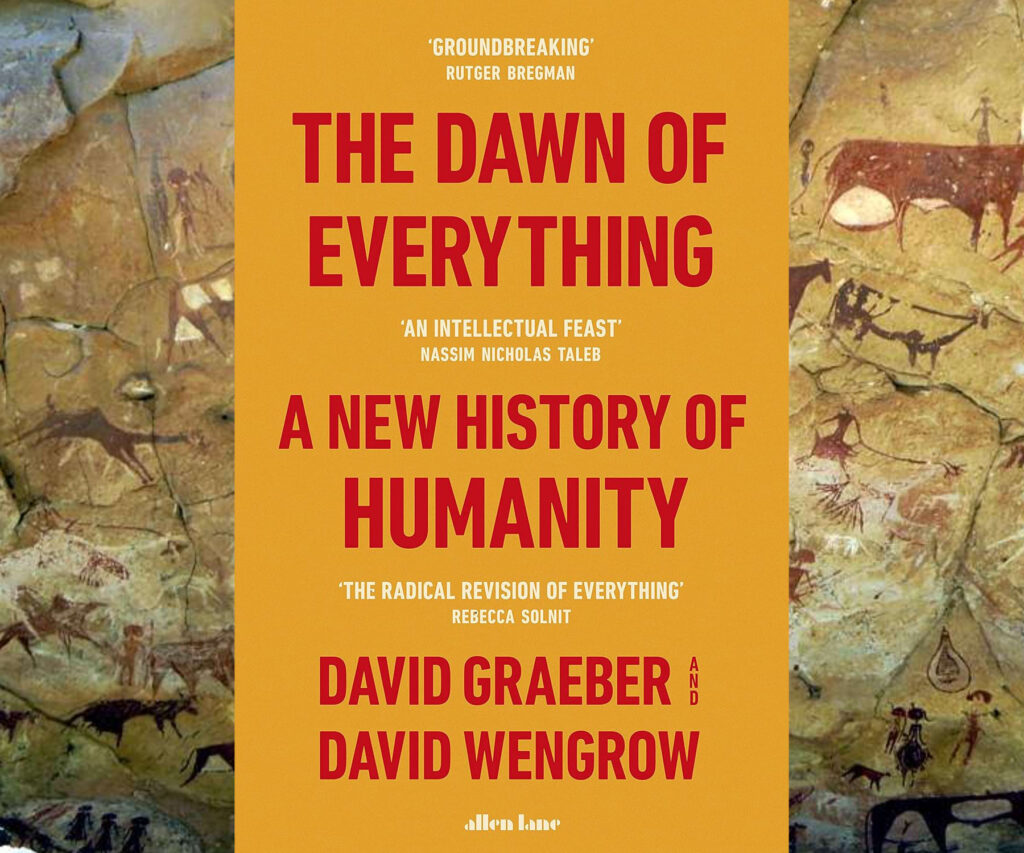
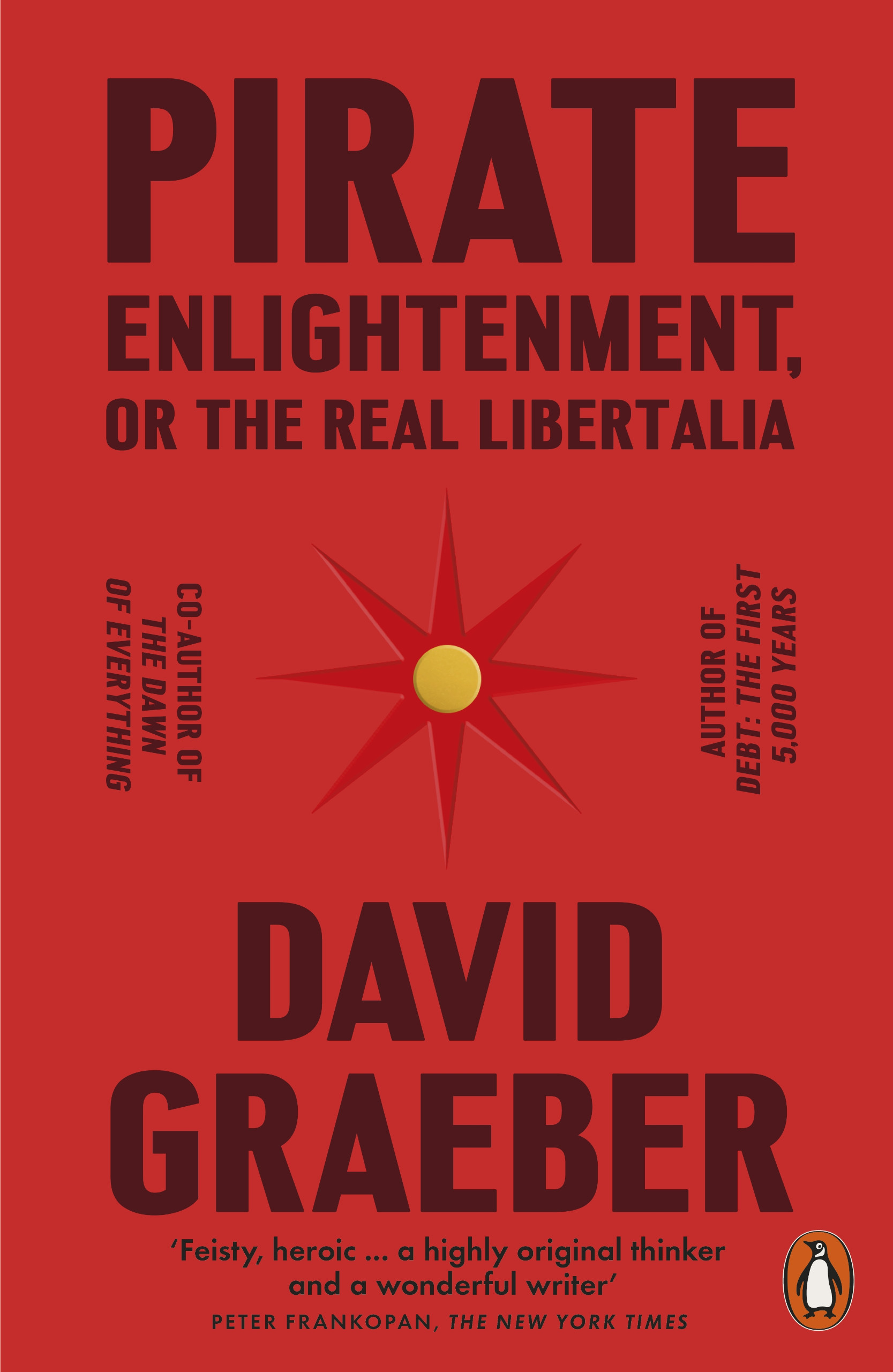
Review: The Dawn of Everything
After reading a few Marxist criticisms of Graeber and Wengrow’s book, I decided to take a look because if something displeases a Marxist, it will surely make me laugh.
Acratosaur
|
16 September 2023

Browse over a century of anarchist commentary and reporting from the Freedom digital archive
EXPLORE THE
Archives
Latest

Anarchist Xmas Special
Anarchist News Review: Danny Tommo vs dinghy, plus the London Bookfair!
Freedom News
|
25 September 2026
Burnham’s antidote fallacy
For all his talk of devolution, the PM’s reforms are likely to embed the state ever more intrusively in our lives
Jon Bigger
New In




Freedom Press







Subscribe to Freedom anarchist journal, sustain radical publishing and support independent media.
SUBSCRIBE
AND DONATE