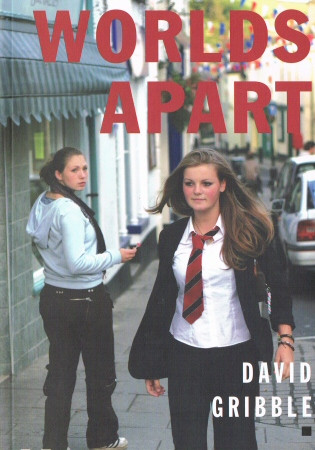
If you’re a progressive, then the traditionalists are hard-faced Gradgrinds, intent on forcing children to jump through meaningless pedagogic hoops. If you’re a traditionalist, progressives are dangerously naïve softies, unforgivably allowing children to emerge from school ill-equipped to deal with the rigours of adult life. In fact, it’s rarely that clear-cut. After all, every school, every teacher, agrees on what they’re trying to do. As David Gribble writes in his introduction: “It must not be forgotten that even the strictest of authoritarian schools and even the most informal of free schools have this one fundamental aim in common: to do the best they can for the children who attend them.” That’s a big area of agreement. The differences, though, are clearly there, and Gribble allows them to speak for themselves. To this end, he takes two sets of evidence – excerpts from “official documents” (prospectuses, school websites and other school-level sources), and a selection of quotations from pupils – which he divides into “traditional” and “progressive” material. On each double-page spread in the book, the traditional quotes are on the left and the progressive on the right, so you can read straight across to make comparisons under themed headings.