
|
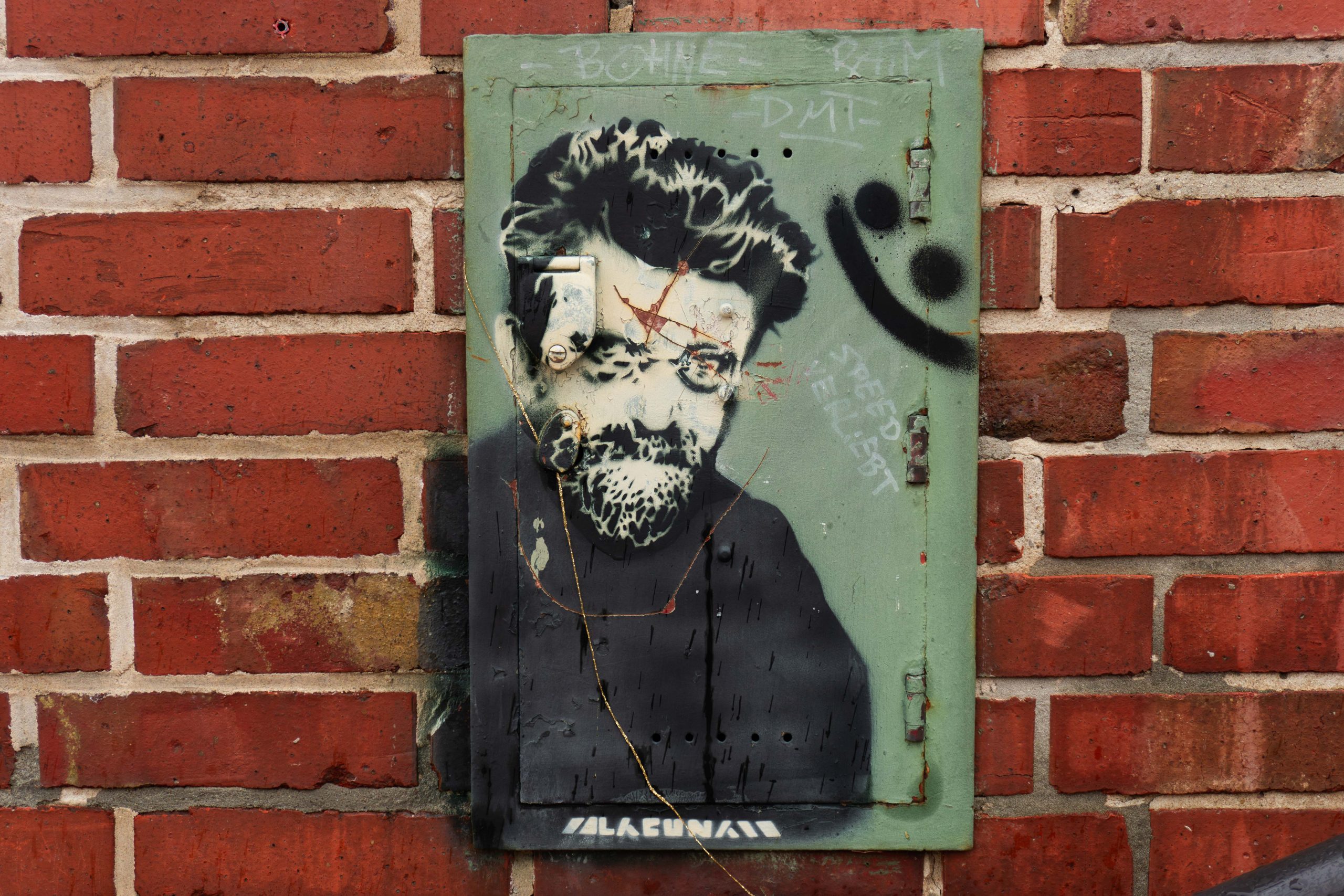
“Let the dead rest – and fulfill their hopes”: Remembering Erich Mühsam
The anarchist author and poet, murdered by the Nazis on July 10, 1934, is now part of Germany’s literary canon
Maurice Schuhmann
10 July 2024
The anarchist author and poet, murdered by the Nazis on July 10, 1934, is now part of Germany’s literary canon
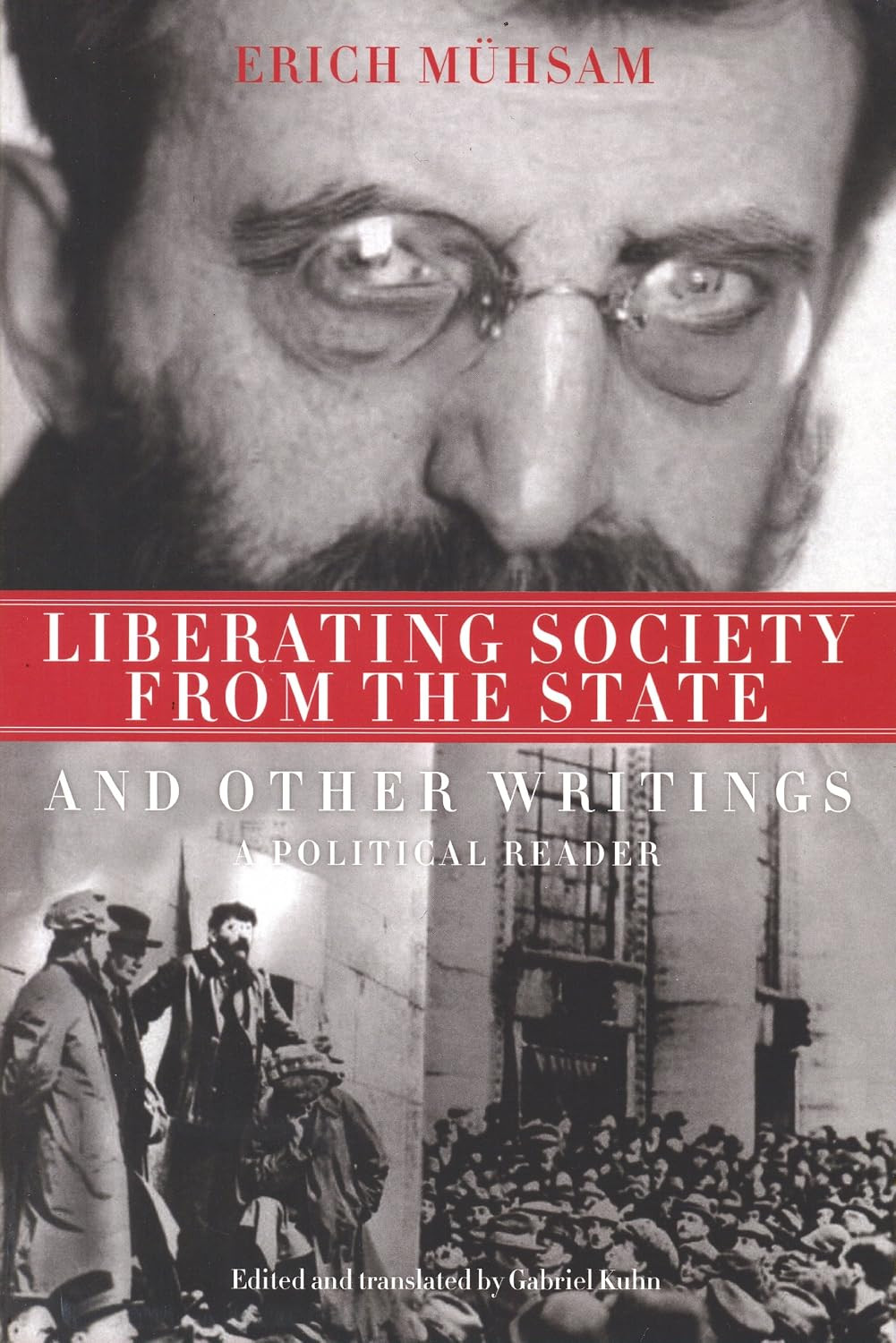
“Anarchist Executes Himself” was the headline of a Nazi propaganda paper on July 10, 1934. The “anarchist” in question was the German-Jewish writer Erich Mühsam, and the alleged suicide was easy to see through as National Socialist staging. Shortly before, he had been told that he should commit suicide, or else it would be taken care of. It happened on the night of July 9 or 10 in Oranienburg concentration camp, where he was imprisoned after the Reichstag fire. He was found hung in his cell. The fact that it was murder, and not suicide, has been established beyond doubt. Mühsam stood for many things that the National Socialists despised: he was Jewish, an anarchist, an anti-militarist, a so-called November criminal and at least a bisexual. But Mühsam was more than what they reduced him to. Although he was born in Berlin, on April 6, 1878, he grew up as the son of Jewish parents in the northern German Hanseatic city of Lübeck, associated with the author Thomas Mann and his seminal novel Buddenbrooks. His parents planned for him to become a pharmacist and take over their business. However, this is not what appealed to the young Mühsam. He left his hometown and moves to Berlin, to live the life of a Bohemian and writer. He began writing in 1901 and his first major publication appeared in 1903 under the title Homosexuality. At the time, he himself was in a homoerotic relationship with Johannes Nohl, who later became known as an author in Germany. Inspired by the research of the German sexologist Magnus Hirschfeldt, Mühsam defends (male) homosexuality and campaigns against its criminalisation, prevalent in Germany at the time. From today’s perspective, it is full of stereotypes and clichés – including about the creativity inherent in homosexual men. The end of the 19th century was characterised by reform movements in German-speaking countries. Preachers of various colours swore by naturism/nudism, vegetarian diets, naturopathy, abstinence from alcohol and tobacco, etc. One of the centres of this movement was Mont Verita in Switzerland, where Mühsam also visited for a while and later mockingly criticised in his pamphlet Ascona (1905). Around the same time, he travelled around the literary circles of Berlin and its surroundings. One of them was the Friedrichshagener Dichterkreis, whose members included the German-Scottish anarchist John Henry Mackay; another was with the Berlin bohemians who met in the Café des Westen, popularly known as the Café Größenwahn (“Café Megalomania”). Mühsam became increasingly politically active. His political poems had already caused a stir at school, but now he had other opportunities. 1911 saw the first issue of his magazine Cain: A journal for humanity (Kain. Zeitschrift für Menschlichkeit), an anarchist publication whose articles were almost exclusively written by himself, and which lasted until 1914. He also became friends with the anarchist Gustav Landauer, who, however, thought little of his friend’s poetic outpourings and his propaganda of “free love”. Mühsam’s propaganda of free love culminated in 1914 in a theatre play – The Freedweds (Die Freivermählten) which fell victim to censorship shortly before the start of the first world war. When it began, many left-wing and anarchist comrades were initially carried away by the frenzy of war. Ernst Toller, a well-know German leftwing author, volunteered for military service and Mühsam was also initially euphoric, but soon changed his mind and wrote a series of anti-militarist poems – e.g. War Song (Kriegslied). The First World War ends in Germany with a revolution or an attempted revolution. Workers’ and soldiers’ councils are formed and temporarily take power locally – including in Munich, the future capital of the National Socialist movement. For a short time, there is a soviet republic in the city with the participation of well-known anarchist personalities – including Erich Mühsam (as a councillor for cultural affairs), Gustav Landauer and Silvio Gesell. It is a short-lived project that fails due to the intrigues of the Communist and the Socialdemocratic Party, among other things.

Photos: Yvonne Schwarz / Semiramis Photoart
Anarchist history



Freedom
Bookshop
Anarchist history

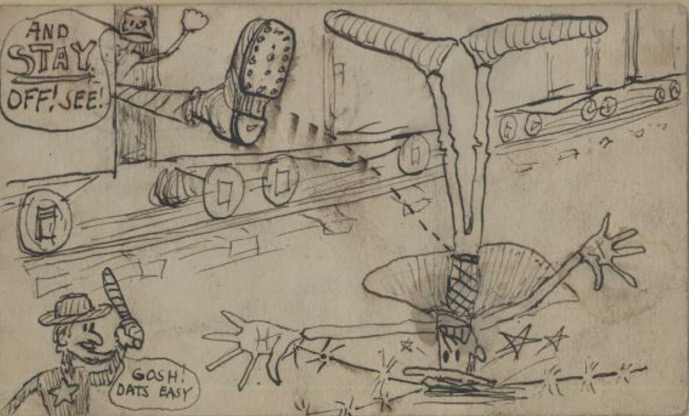
Remembering Joe Hill
The legendary Wobbly and songwriter, executed 110 years ago, was celebrated worldwide for his resilience and humour
Owen Clayton
New In






Freedom Press
Subscribe to Freedom anarchist journal, sustain radical publishing and support independent media.
SUBSCRIBE
AND DONATE
Latest
Churchill vandalism case win, and thoughts on masked fash
Anarchist News Review: Andy, Tab and Simon hail some good news for pigeons as a jury throws out the infamous Churchill statue vandalism case.
Freedom News
|
18 September 2026
Autistici/Inventati: “We need 1,000 more infrastructures of dissent to be born”
Interview with the Italian digital collective, de-banked and shut down after US “terrorist” designation
Gabriel Fonten
Browse over a century of anarchist commentary and reporting from the Freedom digital archive
EXPLORE THE
Archives