
|
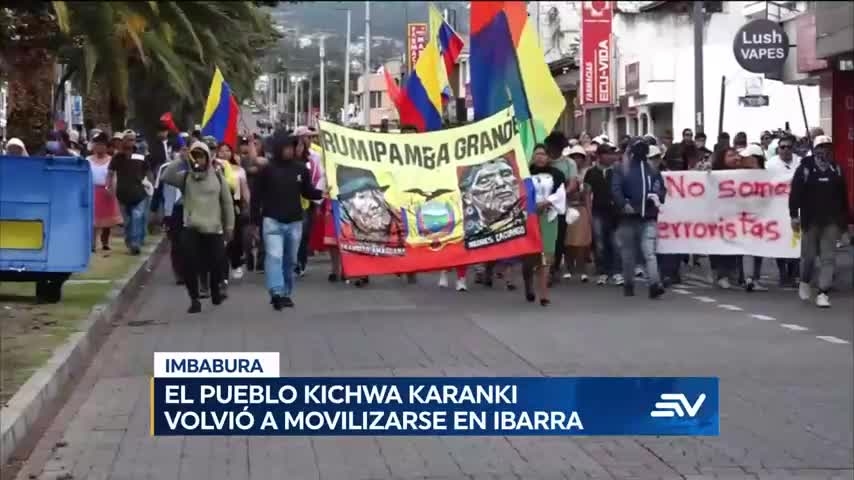
Ecuador: Indigenous leader gunned down in social protests
92 injuries, 11 missing as anti-austerity movement enters third week
Cuba Debate
4 October 2025
Indigenous leader Efraín Fuerez, recognized for his community work in Mingas, was gunned down Sunday while marching in protest against high costs of living and government crackdowns that include freezing the bank accounts of activists and suspending a media organisation.
The number of attacks has been documented by the Ecuadorian Human Rights Alliance, a group of 14 organisations that emerged after the 2019 national strike. In its most recent bulletin, the organization blamed the state for the spiral of violence and warned that, “the risk persists for those demonstrating in the streets, those who provide media coverage, and those providing humanitarian assistance and human rights monitoring.”
According to the organisation, 70% of the documented violations have been committed by the Armed Forces and the National Police, with more than half of the incidents concentrated in Imbabura. Quito and Cotopaxi also record high numbers, with 30 and 10 cases, respectively.
Meanwhile, the Federation of Indigenous and Peasant Organisations of Azuay (FOA) denounced, “disproportionate armed repression” and arbitrary arrests during the night of September 30. The group stated that a group of unarmed community members—including women and senior citizens—were violently intercepted and that six people were detained, one of them with serious facial and head injuries.
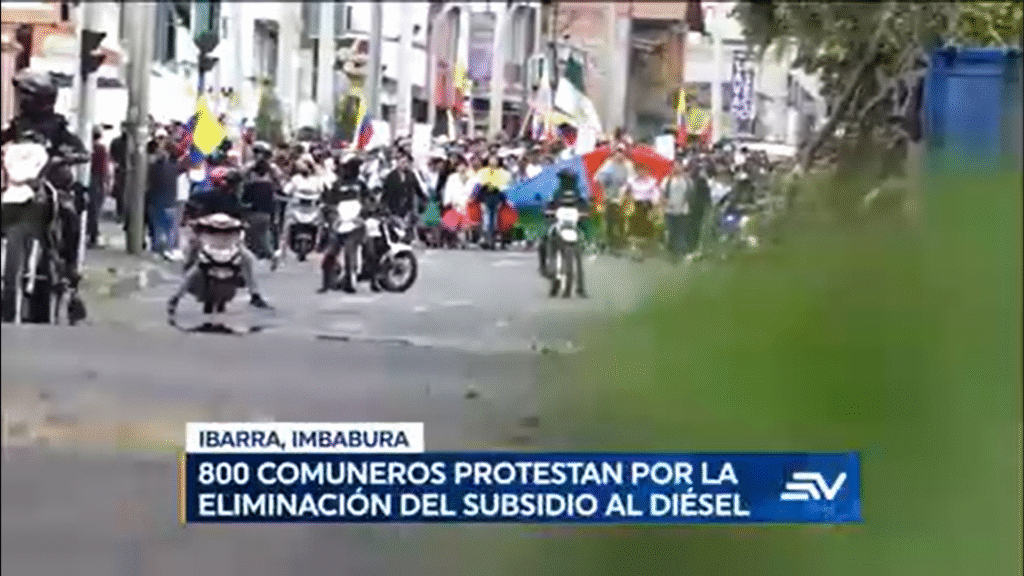
The government, for its part, reported 12 soldiers were injured and 17 were held captive by protesters. All were later released, although several suffered fractures, bruises, and burns. Two police officers were also detained this Wednesday in Chimborazo while working to reopen a highway.
The crisis has prompted reaction from the international community. UN Secretary-General António Guterres expressed his, “deep concern” about the events and called for respect for the right to peaceful protest. Domestically, the National Assembly has launched investigations, although it is divided between two committees vying for authority over control of the security forces.
Conaie president Marlon Vargas described Fuerez’s death as a, “state crime” and ratified the continuation of the protests. In contrast, the Federation of Kichwa Peoples of the Sierra Norte announced a, “temporary truce” as a gesture of good faith to facilitate a possible dialogue with the executive branch, although it clarified that, “the resistance remains strong in the streets.”
The situation has also had a strong impact on the press. Fundamedios and the Alliance for Human Rights have recorded nine attacks on freedom of expression, including tear gas, physical attacks, and arbitrary arrests of journalists, in addition to hostility from some groups of protesters. Crews from Radio Pichincha and the Associated Press reported damage to their vehicles and attacks during coverage in Quito.
In an unusual gesture, a group of military personnel publicly apologised for Fuerez’s death in Cotacachi, lighting candles at the site of his death and sharing a minute of silence with the local population.
Tensions in Ecuador persist after more than a week of demonstrations that have left a growing number of victims and a political landscape marked by confrontation between the government, indigenous and social organisations, and international demands for respect for human rights.
Machine translation from cubadebate. Image: Screen capture from Ecuvista
Austerity

















Freedom
Bookshop
Austerity


Get Boris done in
This text first appeared in the newly released Class War magazine. You can read it here. A year into the…
Jon Bigger
New In










Freedom Press



















Subscribe to Freedom anarchist journal, sustain radical publishing and support independent media.
SUBSCRIBE
AND DONATE
Latest
Andy Burnham’s antidote fallacy
For all his talk of devolution, the PM’s reforms are likely to embed the state ever more intrusively in our lives
Jon Bigger
|
16 September 2026
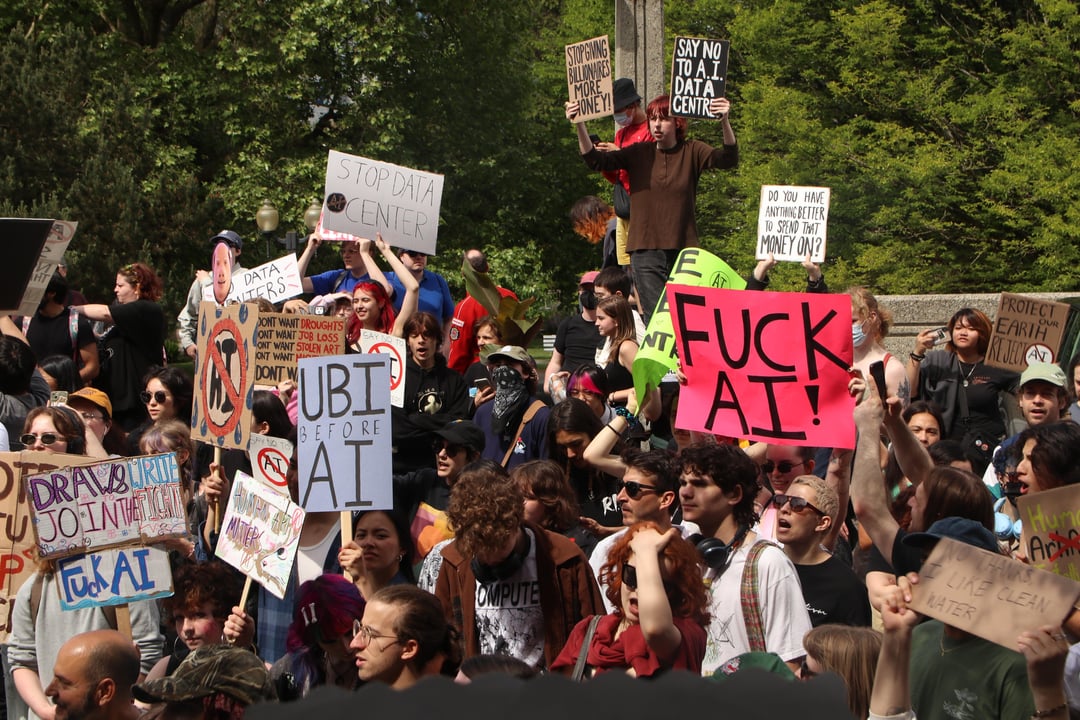
Climate activists confront data centres
The surge of AI‑powered data centres is straining the electric grid, draining water supplies, and forcing a new wave of climate‑justice activism
Joel Sucher
Browse over a century of anarchist commentary and reporting from the Freedom digital archive
EXPLORE THE
Archives