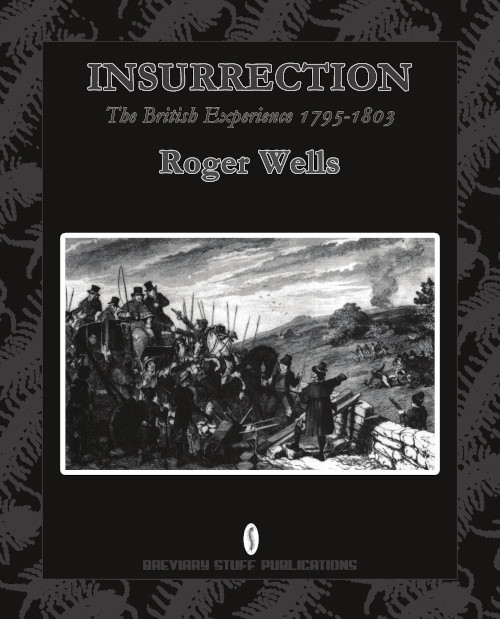
A re-evaluation of the hoary problem of the question of revolution in Britain and Ireland during the allegedly dying years of the Age of Revolution.
On the 16 November 1802 a posse of Bow Street Runners raided the Oakley Arms, a working class pub in Lambeth, on the orders of the Home Office. Over thirty men were arrested, among them, and the only one of any social rank, Colonel Edward Marcus Despard. Despard and twelve of his associates were subsequently tried for high treason before a Special Commission, and Despard and six others were executed on 21 February 1803. It was alleged that they had planned to kill the King, seize London and overturn the government and constitution.
Until recently this event had been almost entirely neglected by historians, principally on the grounds that it was an isolated occurrence, the brainchild of a disgruntled and probably insane Irishman. The incident is relegated to a footnote in the relevant volume of the Oxford History of England and even then only in support of First Minister Addington’s habitual ‘calmness’.
Apologists speedily claimed that Despard was just another dupe of the supposedly notorious hoard of informers and agents-provocateurs employed by the younger Pitt and his supposed lackey, Addington, to support their outrageous assault on the constitutional freedoms and rights of Englishmen. One pamphlet attacking the revelations of the infamous Oliver the Spy, typically claimed that in 1817 Oliver was ‘by no means a novice in matters of treason, but … was closely and deeply implicated in the mad schemes of Colonel Despard’. These views, that any insurrectionary activity manifested by Englishmen was either the product of insane individuals or the manipulations of secret-service agents, or both, rather than an indigenous phenomenon, were also adopted by Whig and Fabian historians.
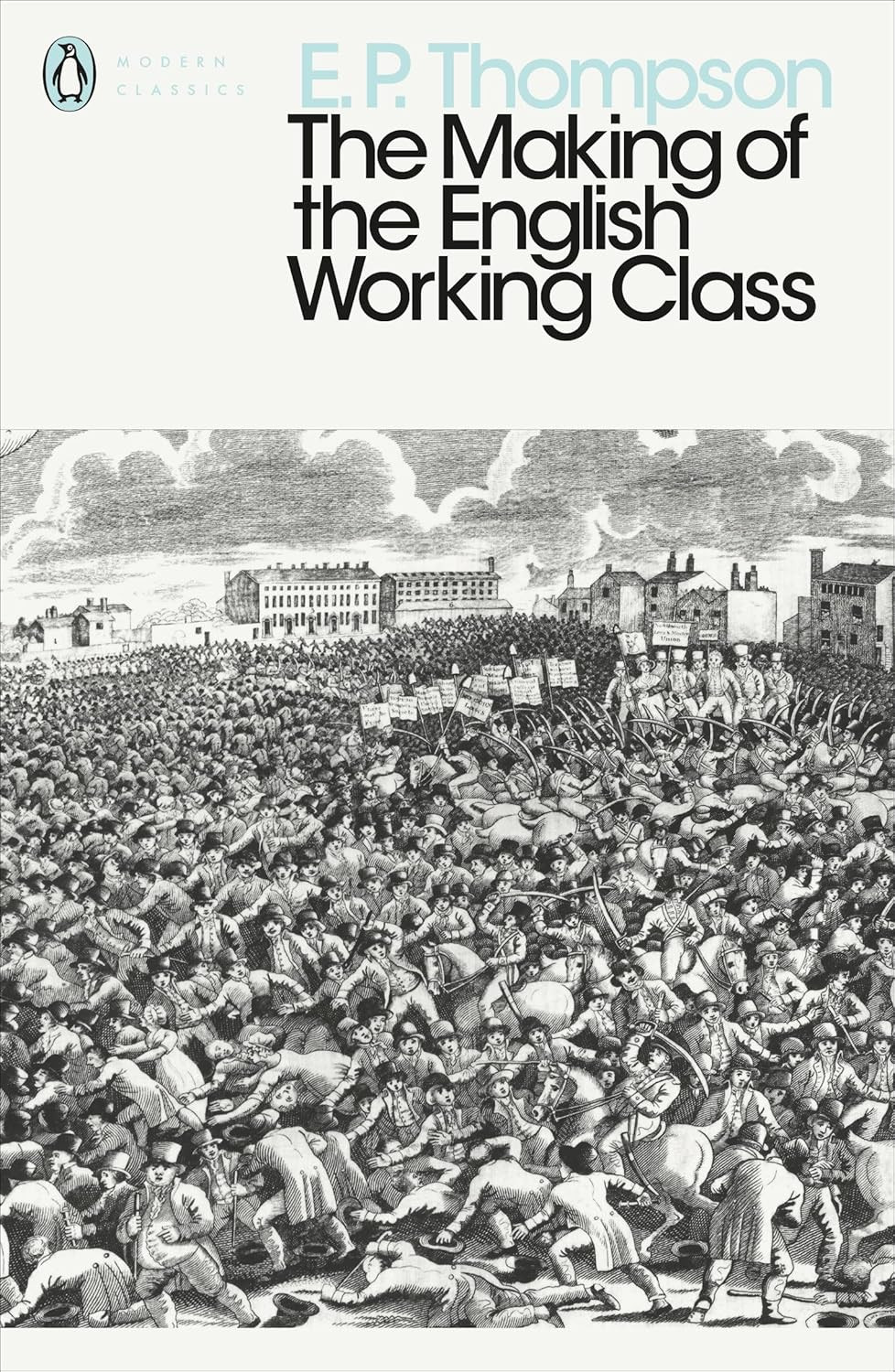
The first coherent reappraisal of the Despard affair was provided by E. P. Thompson, in his magnificent work, The Making of the English Working Class. An integral part of Thompson’s thesis hinges on his analysis of what happened to one seminal political development in the 1790s, namely the first primarily English working-class movement for democracy. E. P. Thompson’s claim that determined physical force revolutionary groupings originated after the suppression of the Popular Democratic Movement in 1795 has been seriously challenged by conventional British historians. This book offers a reinterpretation of Thompson’s evidence, through a detailed overall study of post-1795 British politics. It throws new light on the organisation of government intelligence sources, Pitt’s repressive policies and machinery, and oscillating popular responses; all developments, including recrudescences of the open Democratic Movement, and notably the emergence of insurrectionary conspiracies, are firmly related to both events in the critical Irish theatre, and the course of the war against France.